

Repaired vehicles
Diminished value appraisals
Diminished value is the market value a vehicle loses because it now has an accident history, even after good repairs. An Autoloss appraisal measures that loss with comparable-vehicle evidence, so you can present it to the insurer. Prepared from your repair order, typically within 24–48 hours.


Turnaround
24–48 hours after we have your records
Typical fee
$250–$350; exotic vehicles may cost more
Inspection
Not normally required: photos and records
Review
Every report reviewed by Monica Fisher
The hidden loss
Why a repaired car is worth less
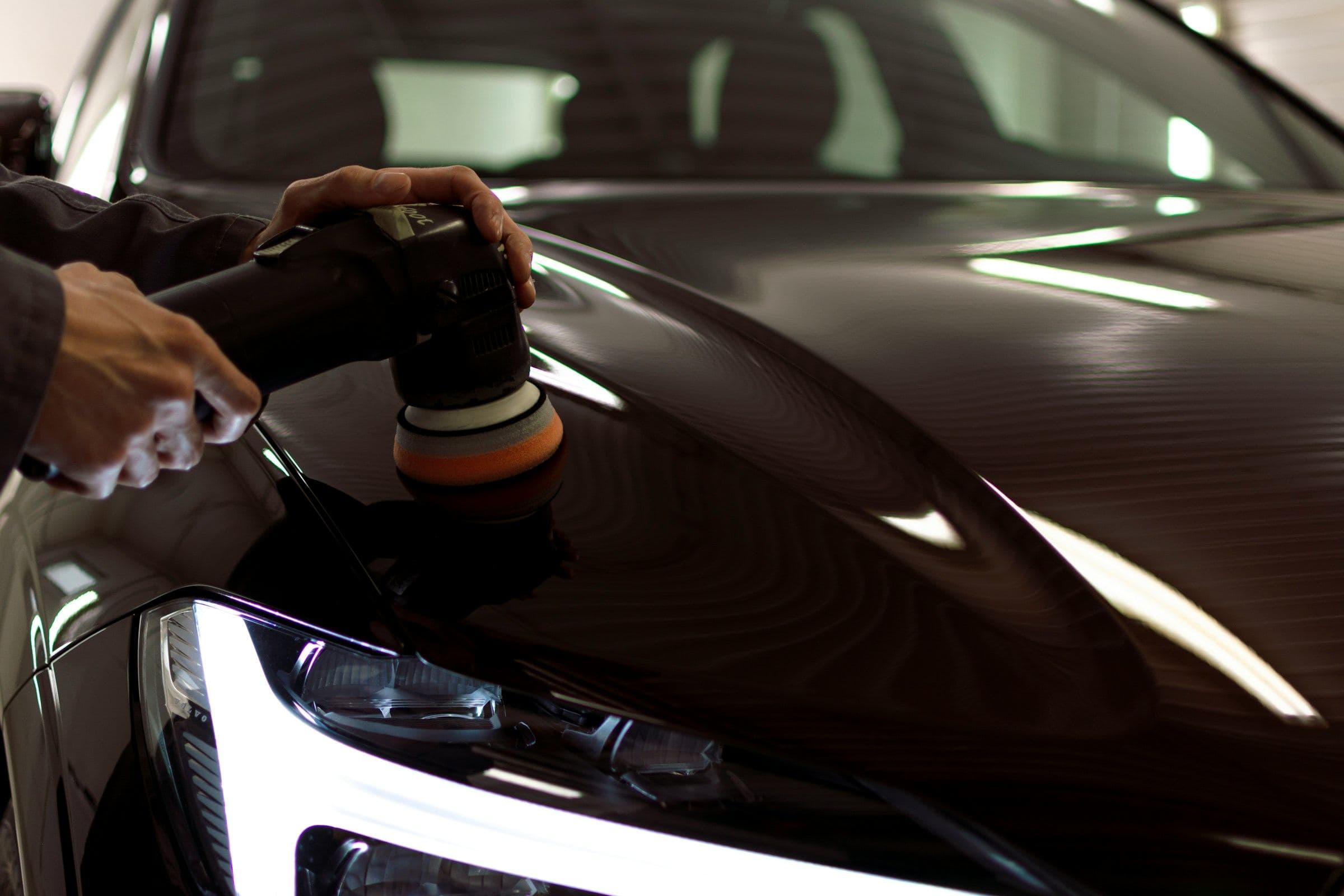
Buyers can see a vehicle’s accident history on reports such as CARFAX, and many dealers will pay less for, or refuse to certify, a vehicle with reported damage. Two otherwise identical vehicles can sell for noticeably different prices when one of them has been in a collision, even if the repairs were done well.
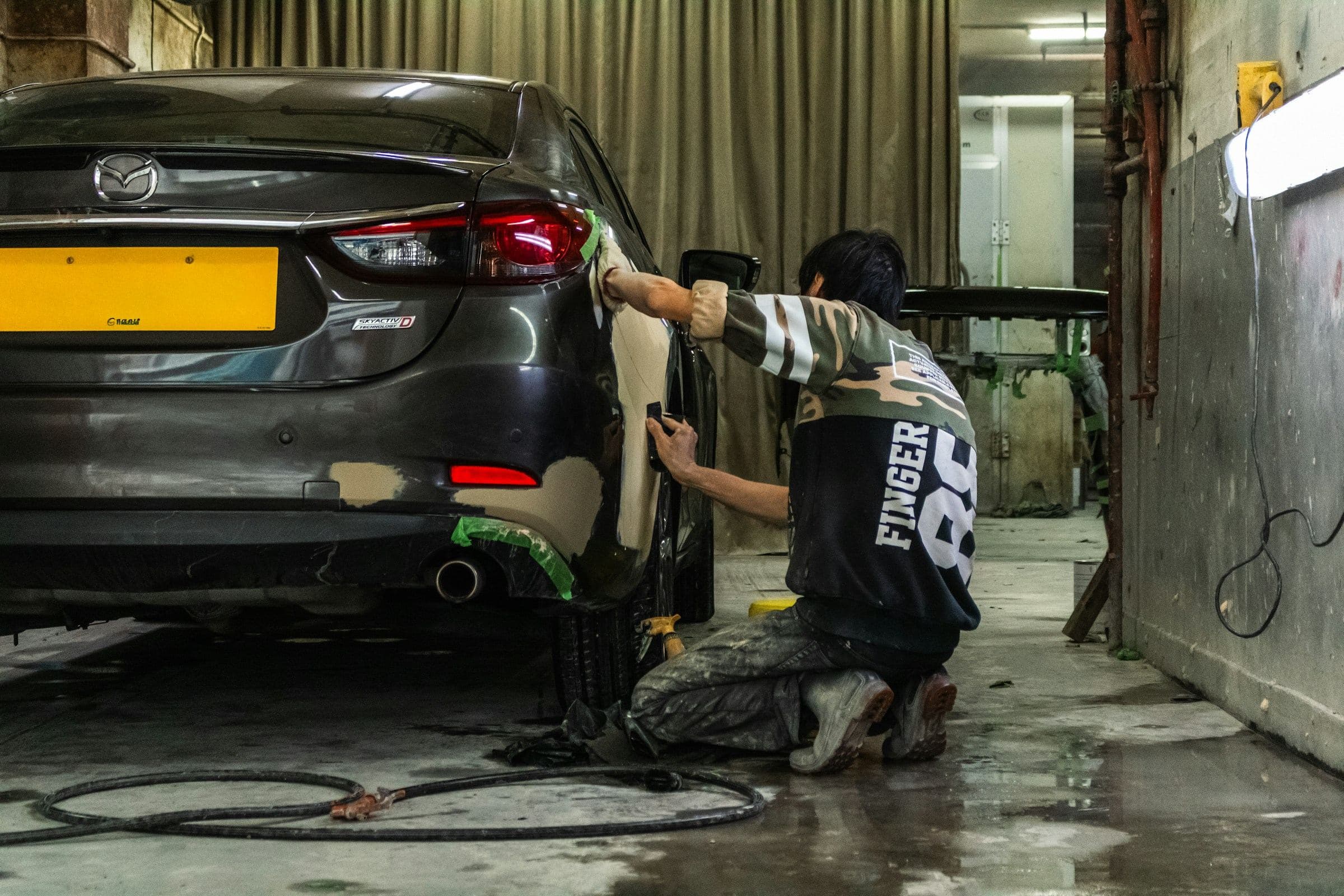
Your repair bill covers fixing the vehicle. It usually does not cover that lost resale value. A diminished-value claim asks the responsible party’s insurer to pay that difference as part of your property damage.
Know the terms
Three types of diminished value
Inherent diminished value
The loss that remains after proper repairs, simply because the vehicle now has an accident history. This is the type most diminished-value claims are about.
Repair-related diminished value
Additional loss caused by incomplete or poor-quality repairs, such as mismatched paint, panel gaps or structural work that was not completed to standard.
Immediate diminished value
The difference in value right after the accident and before repairs. It is mostly relevant when a damaged vehicle is sold or traded in unrepaired.

What you receive
What a diminished value report includes
- Vehicle identification, mileage, trim and equipment
- Review of the repair estimate or final invoice and the damage areas
- Pre-loss market value, supported by comparable vehicles
- Post-repair market value, supported by comparable vehicles with accident history
- The diminished value figure and how it was reached
- A custom demand letter written for your claim, to send with the report
- Monica Fisher’s review before release
Process
How a diminished value claim works
The appraisal is one part of the claim. Here is the usual sequence once repairs are complete.
- 1
Confirm the claim is worth pursuing
Use the eligibility checklist or start a free claim review. - 2
Send your documents
Final repair invoice, photos of the damage and repairs, vehicle details, and the insurer’s claim number and contact. - 3
Receive your appraisal
Typically 24–48 hours after we have everything, reviewed by Monica Fisher. - 4
Submit it to the at-fault insurer
Send the report and your custom demand letter to the adjuster handling the property damage claim. - 5
Resolve the claim
The insurer responds with an offer. If you cannot agree, your options depend on your state and may include small claims court or an attorney.
Start to finish
We help you from start to finish
Free claim review
We look at your claim and tell you whether an appraisal will help.
Appraisal + custom demand letter
A report built for your vehicle, with a demand letter written for your claim.
Help the whole way through
Questions while the insurer reviews it? Call our support staff at (877) 655-1661.
State law
Rules in your state
States differ on whether you can claim against your own insurer, which court decisions apply, and how long you have to act. Select your state.
State laws overviewKeep reading
Related guides
Eligibility
Do you have a diminished value claim?
The factors that decide whether an appraisal is worth ordering.
Tool
Diminished value calculator
A rough starting estimate. Not an appraisal.
Guide
First-party vs third-party claims
Claiming against the other driver’s insurer versus your own.
Methodology
How we appraise
Our sources, comparables and review process.
Guide
Diminished value vs repair cost
Two different losses, and how states measure them.
Guide
How accident history affects resale value
Why buyers and dealers pay less.
Guide
What happens after your appraisal
Sending it, insurer responses, next steps.
Article
Certified pre-owned rules and accident history
Why many certified programs exclude damaged vehicles.
Article
Frame-related diminished value
Why structural repairs weigh most on value.
Articles
All articles
Every guide on diminished value and total loss.
Clients who report their outcomes to Autoloss commonly recover approximately 80%–90% of the diminished value calculated in their reports, with reported recoveries often ranging from $5,000 to $10,000.
Individual results vary based on the vehicle, evidence, insurer, state, coverage, and circumstances of each claim. Past results do not guarantee a similar outcome.
Common questions
Who can make a diminished value claim?
Usually the owner of a repaired vehicle that was damaged by another driver can seek diminished value from that driver’s insurer. Claims against your own insurer are allowed only in some states and under some policies. Eligibility depends on state law, coverage, fault, vehicle history and the facts of the claim.
Do I have to sell the vehicle first?
Generally no. A diminished value claim is about the loss in market value caused by the accident, whether or not you sell the vehicle. Check your state’s rules and deadlines before relying on this.
What vehicles are good candidates?
Newer vehicles, low-mileage vehicles, higher-value and luxury vehicles, and vehicles with structural or frame repairs tend to lose the most value. Older, high-mileage vehicles or vehicles with prior damage usually lose less and may not justify an appraisal. The free claim review is where we tell you which applies to you.
How is diminished value calculated?
We compare the vehicle’s market value before the accident with its market value after repairs, using comparable vehicles for sale with and without accident history, and account for the damage, repair quality, mileage, equipment and local market. Our methodology page explains each step.
What does the report cost and how long does it take?
A typical diminished-value appraisal costs $250–$350; exotic vehicles may cost more. Reports are typically 24–48 hours after all required information is received.
Will the insurer pay the amount in the report?
Insurers, arbitrators and courts make their own decisions. An appraisal is evidence supporting your claim, not a promise of payment. Individual results vary based on the vehicle, evidence, insurer, state, coverage, and circumstances of each claim. Past results do not guarantee a similar outcome.
Not sure whether an appraisal will help?
The claim review is free: we look at your situation and tell you whether an appraisal is likely to help. The appraisal itself is a paid report. We help from start to finish, including a custom demand letter, and our support staff is a phone call away throughout the process.