
Appraisal guide · Learn
Inherent, repair-related and immediate diminished value
Inherent diminished value is the market value a vehicle loses because it now has an accident history, even after good repairs. Repair-related diminished value is extra loss caused by poor or incomplete repairs. Immediate diminished value is the drop right after the accident, before any repair. Most claims, and most appraisals, are about the inherent kind.


By the Autoloss team · Reviewed by Monica Fisher · Published
The three types side by side
| Type | What causes it | What proves it | When it matters |
| Inherent | The accident history itself | Comparable vehicles with and without accident history | After repairs are finished. The usual basis of a claim. |
| Repair-related | Repairs that were incomplete or below standard | Repair records, photos and, where needed, a post-repair inspection | When something is visibly or measurably wrong with the repair |
| Immediate | Unrepaired damage | Market value before the accident against value as damaged | When the vehicle is sold or traded in without being repaired |
Inherent diminished value
A repaired vehicle can look and drive the way it did before, and still sell for less. The accident appears on vehicle-history reports, many certified pre-owned programs will not take the car, and a buyer choosing between two otherwise identical vehicles will pay more for the one with a clean history. That gap is inherent diminished value. It exists even when the repair is excellent.
Because it is a market question, it is proved with market evidence: what similar vehicles sell for with an accident on record and without one. Our guide to how accident history affects resale value explains why buyers discount these vehicles.
Repair-related diminished value
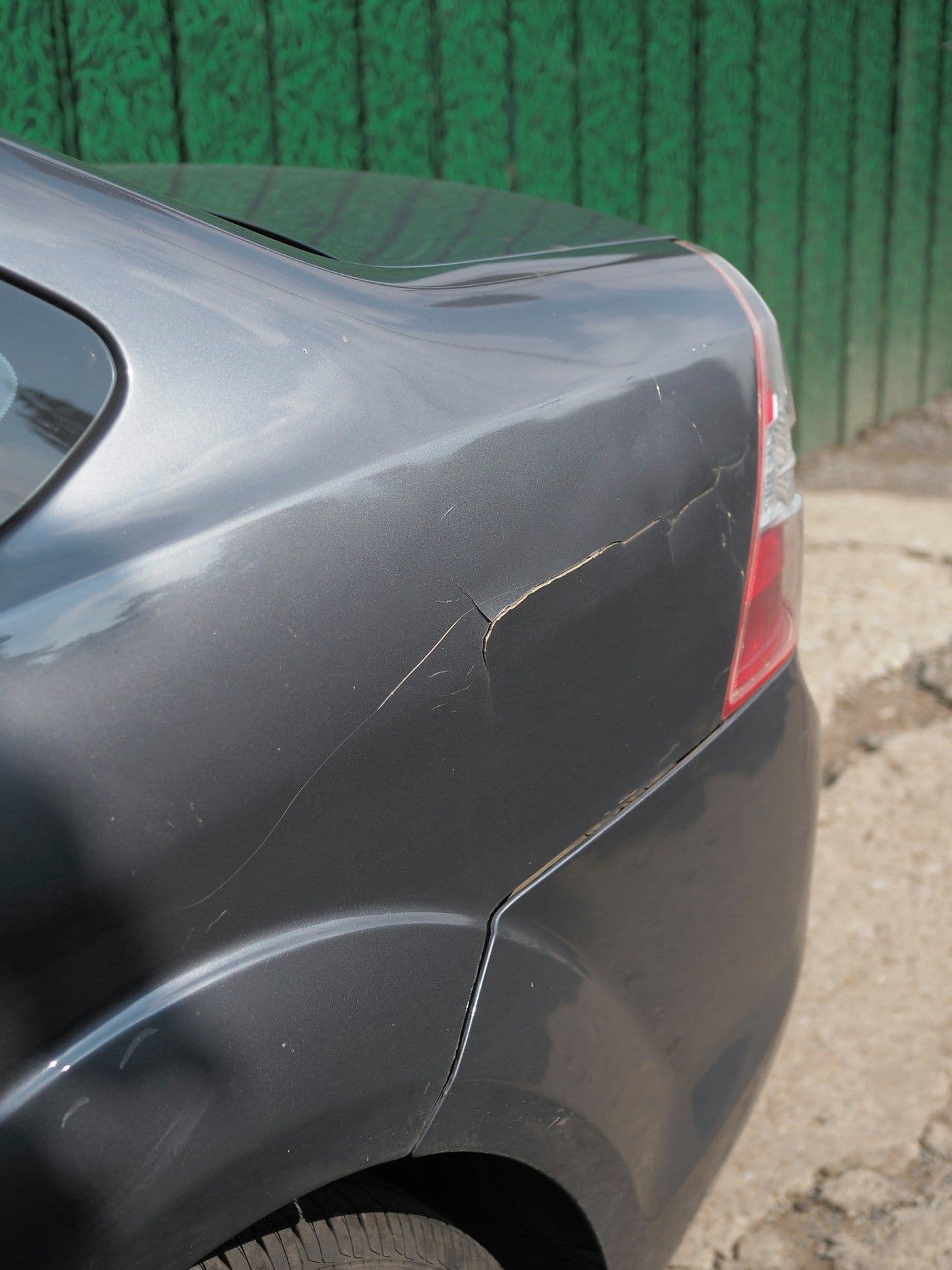
This is loss on top of the inherent loss, caused by the repair itself. Common examples are mismatched paint, uneven panel gaps, non-original parts where original parts were expected, and structural work that was not brought back to the manufacturer’s specification.
Repair problems are usually handled differently from inherent loss. The first step is normally to go back to the shop and the insurer that paid for the repair and ask for the work to be corrected. If it cannot be corrected, the remaining loss can be documented alongside the inherent loss. Photos of the problem areas matter here, so take clear ones in daylight.
Immediate diminished value
Immediate diminished value is the difference between what the vehicle was worth just before the accident and what it is worth damaged. It matters mostly when the owner sells or trades the vehicle without repairing it. It is also the starting point of the legal test many states use for vehicle damage, which compares value before and after the loss. See diminished value vs repair cost for how states apply that test.
Which type does an appraisal measure?
A diminished value appraisal ordered after repairs measures the loss in market value that remains: the pre-loss value against the post-repair value. Where the repair records and photos show a quality problem, the appraisal accounts for it as part of the post-repair condition. The report explains each adjustment, so an adjuster can see which part of the loss comes from the accident history and which from the repair.
The types are not added together blindly. Total recovery is generally limited by the vehicle’s drop in value, and the rule varies by state. Your state’s page has the details.
Common questions
Can a vehicle have inherent and repair-related diminished value at the same time?
Yes. A vehicle with an accident history has inherent loss, and if the repair also left defects, there is repair-related loss on top. The two are documented separately because the repair defects may be correctable.
Does a perfect repair remove diminished value?
It removes the repair-related part. The inherent part remains, because the accident history still affects what buyers and dealers will pay.
Which type do insurers pay?
It depends on the state, the policy and whether the claim is against the at-fault driver’s insurer or your own. Most diminished value claims are for inherent loss against the at-fault driver’s insurer.
Keep reading
More from the appraisal guide
Learn
The 17c diminished value formula, explained
The insurer formula step by step, and why it is not a market valuation.
Learn
When to get a diminished value appraisal
After repairs, before a release, and well inside your state’s deadline.
Learn
Diminished value on leased and financed vehicles
Who holds the claim when a lender or leasing company is involved.
Compare
Appraisal vs dealer letter vs calculator
Four ways to put a number on the loss, and what each is good for.

Not sure whether an appraisal will help?
The claim review is free: we look at your situation and tell you whether an appraisal is likely to help. The appraisal itself is a paid report. We help from start to finish, including a custom demand letter, and our support staff is a phone call away throughout the process.