
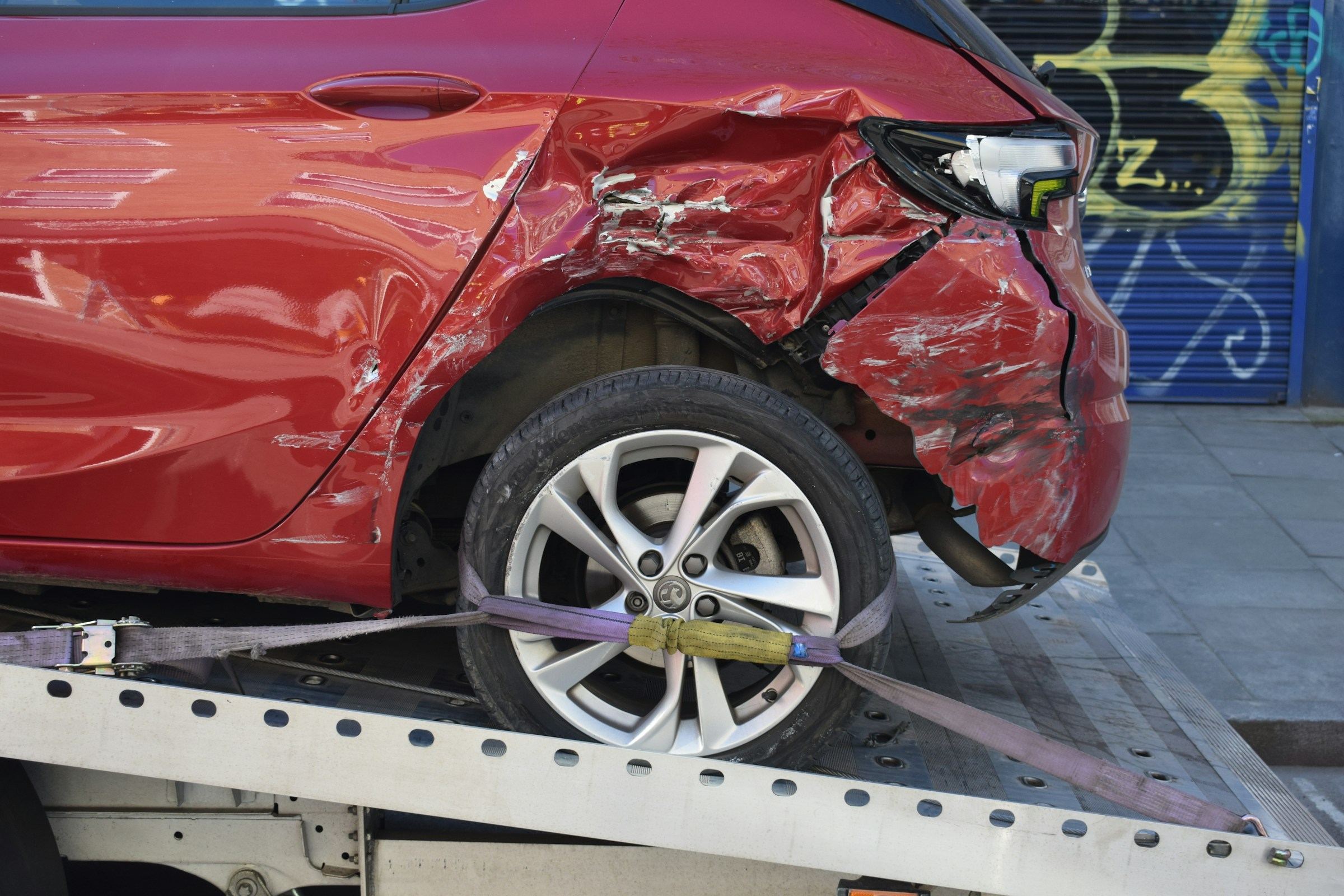
Totaled vehicles
Total loss appraisal
When an insurer declares your vehicle a total loss, it offers what it calls the vehicle’s actual cash value. If that offer misses equipment, condition or local market prices, an independent total-loss appraisal documents what comparable vehicles actually sell for, giving you evidence to dispute the offer or to use in your policy’s appraisal process.



The offer
Where total-loss valuations go wrong
Wrong trim or options
A base model priced instead of the trim you own, or factory packages left out.
Condition marked down
Generic deductions that don’t match your vehicle’s actual condition and records.
Weak comparables
Vehicles from distant markets, with higher mileage, or of a different trim.
Upgrades ignored
Aftermarket equipment, recent major repairs and new tires often go unvalued.
What you receive
What a total loss appraisal includes
You can hire an independent appraiser at any time. The report is evidence you can give the adjuster, or use if you or the insurer invoke your policy’s appraisal clause.
- Vehicle identification, mileage, trim, options and equipment, checked against your records
- Condition, maintenance, recent repairs and upgrades, from your photos and documents
- Comparable vehicles from the market where your vehicle would realistically be sold
- Every adjustment for mileage, equipment and condition, written down so you can check it
- The pre-loss market value figure and how it was reached
- A check of whether the comparables, condition, mileage and options in the insurer’s report match your vehicle
- Monica Fisher’s review before release

Process
Disputing a total-loss offer
- 1
Get the insurer’s valuation report
Ask for the full report, not just the offer figure. It lists the comparables and adjustments used. - 2
Start a free claim review
We tell you whether an independent appraisal is likely to change the number. - 3
We prepare the appraisal
Comparables, equipment, condition and records, in a report reviewed by Monica Fisher. - 4
Present the counter-evidence
Send it to the adjuster, or use it in your policy’s appraisal process.
Start to finish
We help you from start to finish
Free claim review
We look at your claim and tell you whether an appraisal will help.
Appraisal + custom demand letter
A report built for your vehicle, with a demand letter written for your claim.
Help the whole way through
Questions while the insurer reviews it? Call our support staff at (877) 655-1661.
Total loss guides
Learn more
Guide hub
Total loss guide
Ten guides: how a car is totaled, the valuation report, comparables, the appraisal clause and your options.
By state
Total loss laws by state
Each state’s total-loss rule, taxes and fees, valuation rules, appraisal clause and salvage title.
Guide
Total loss settlements
How settlements are calculated and what to expect.
Guide
Total loss valuation terms
ACV, comparables, adjustments, salvage and more.
Article
Flood-damaged cars
Checking a vehicle’s history for flood and total-loss records.
Oregon
Oregon total loss claims
Information for Oregon policyholders.
Resource
State insurance agencies
Where to file a complaint about a claim in your state.
Common questions
How do insurers value a totaled vehicle?
Most insurers use a valuation vendor that compares your vehicle with similar vehicles recently sold or listed, then adjusts for mileage, options and condition. Errors in trim, equipment, condition ratings or the choice of comparables can lower the figure.
What is an appraisal clause?
Many auto policies include an appraisal provision that lets either side demand an appraisal when you and the insurer disagree on the amount of a covered loss. Each side typically hires an appraiser, and an umpire settles differences. Whether your policy has one, and how it works, depends on the policy and your state.
What do I need to send you?
The insurer’s valuation report, the settlement offer, photos of the vehicle before and after the loss if you have them, maintenance and upgrade records, and the window sticker or build sheet if available.
Can I keep negotiating after I receive the appraisal?
Yes. The report is evidence you can give the adjuster. Insurers, arbitrators and courts make their own decisions. An appraisal is evidence supporting your claim, not a promise of payment.
Do you handle total-loss appraisals in every state?
No. Autoloss does not handle total-loss claims in Alabama, Connecticut, New Jersey, New York, Rhode Island, South Carolina or Wyoming. Diminished-value and other appraisals are available in every state.
How much does a total loss appraisal cost?
Total-loss fees depend on the vehicle and what the case requires. Start a free claim review and we will quote before you commit.