
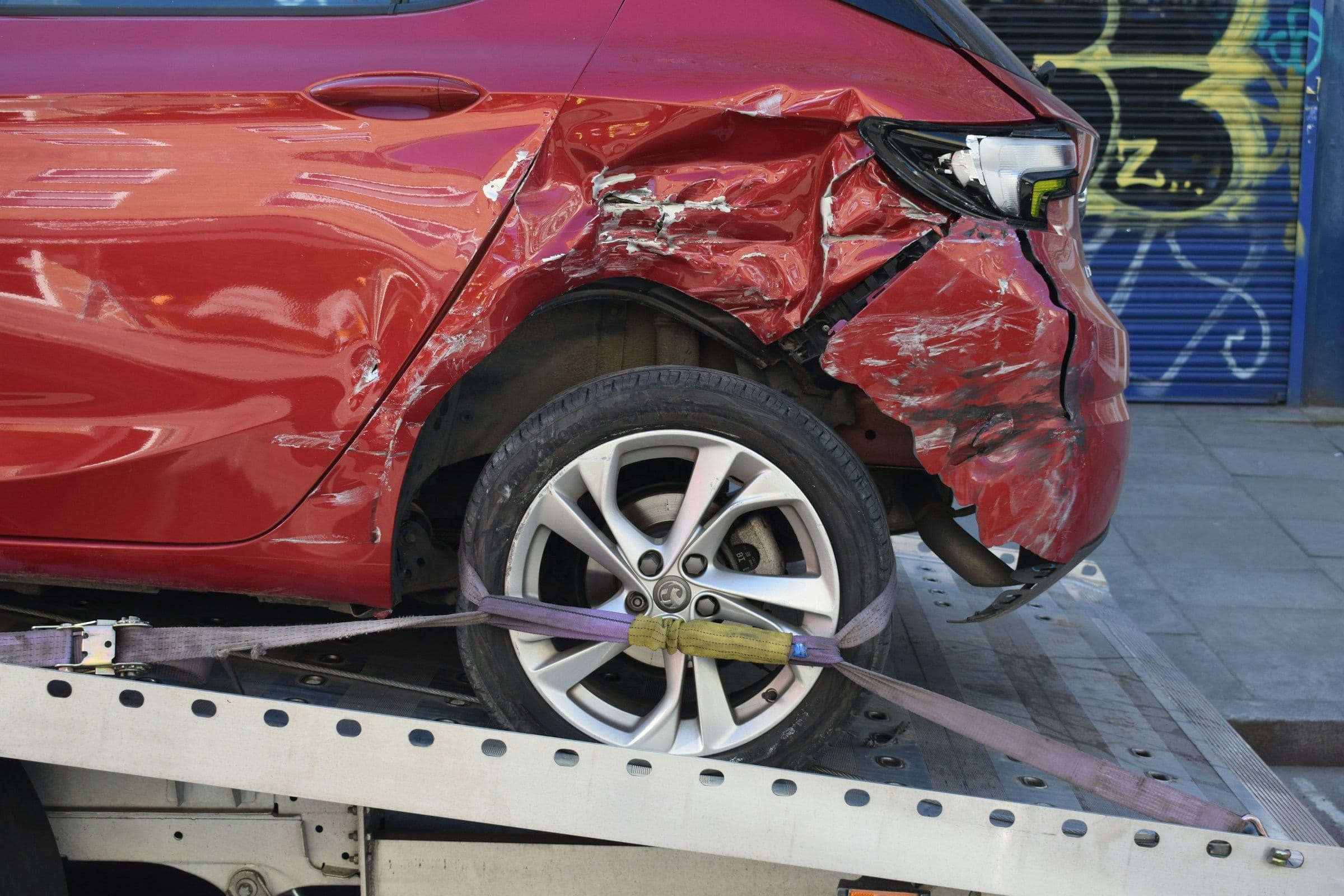
Total loss
Oregon Total Loss Claims
Autoloss has an office in Oregon, and you are welcome to visit if you would rather meet in person.
In Oregon, if your auto policy has an appraisal clause and the final appraisal decision is higher than the insurer’s last offer, state law can require the insurer to pay the appraisal costs (ORS 742.466). Here is how that process works and what an independent total loss appraisal adds to it.


New Total Loss Laws in Oregon
Under ORS 742.466(2), if your policy has an appraisal provision and the final appraisal decision under it is higher than the insurer’s last offer made before you incurred appraisal costs, the insurer must reimburse your reasonable appraisal costs.
Unsatisfied with your insurance company's offer on your loss? There may be a difference between what your insurance company is willing to pay you and the fair market value of your vehicle! Oregon law requires insurers to give you the valuation reports they relied on and to pay the undisputed amount while a valuation dispute continues.
Oregon's total-loss rules come from House Bill 2190 (2009), which took effect January 1, 2010. The law is enforced by the Division of Financial Regulation of the Department of Consumer and Business Services.
When an insurer declares a vehicle a total loss and offers a cash settlement, it must give the owner any valuation or appraisal reports it relied on, plus a written statement, on a form set by the state, that explains total-loss valuation and the insurer’s duties and tells you how to contact the Division of Financial Regulation (ORS 742.554). If you and the insurer cannot agree on value, the insurer must pay the undisputed amount without waiving your right to pursue more (ORS 742.558).
Learn more about the new law HERE!
New rights when your car is totaled
When Chris’ older sports model BMW was totaled in a collision, he began a two-month long, bewildering process of trying to negotiate the amount he should receive from his insurer for the car. The first offer, which was supposed to be based on the fair market value of the car before the damage, seemed low to Chris.
In the end, his automobile insurance company paid about $1,000 more than originally offered. But the Beaverton resident said he spent that much on the appraisals that resulted in the final offer. “After all the time and money I spent, it was a wash,” he said.
House Bill 2190 took effect January 1, 2010. Since a 2011 amendment, an independent appraisal under a policy’s appraisal provision must be done by a certified or licensed vehicle appraiser (ORS 742.466(1)). The Department of Consumer and Business Services' Insurance Division brought the bill to legislators in the 2009 session based on the hundreds of calls and complaints it receives annually from consumers whose cars are totaled.
Adapted from an Oregon Department of Consumer and Business Services news release, January 2010.
Oregon law
When a vehicle is a total loss in Oregon
Insurer decides
Oregon sets no damage percentage for insured losses: a vehicle is 'totaled' when an insurer obligated to cover the loss declares it a total loss or takes possession of or title to it. The 80 percent figure in the same statute applies only to damage that is not covered by an insurer (estimated repairs equal to at least 80 percent of pre-damage retail market value).
Authority: ORS 801.527
What an Oregon settlement has to include
A cash settlement on a first-party total loss must include all applicable taxes, license fees and other fees incident to transferring ownership of a comparable automobile, less any deductible. The same applies if the insurer offers a replacement vehicle instead.
Authority: OAR 836-080-0240(2)-(3)
How the insurer has to value your vehicle
The insurer must give the owner copies of the information it used to set the cash settlement. Value may come from a qualifying computerized database that gives primary consideration to vehicles in the local market area available within the last 90 days, from the actual cost of a specific comparable vehicle, or from another documented method with itemized, dollar-specific deductions explained in writing. If the parties cannot agree, the insurer must pay the undisputed amount once the owner agrees to transfer the vehicle, and a first-party insured who cannot buy a comparable car for the amount paid can have the claim reopened within 35 days.
Authority: OAR 836-080-0240(3), (5)-(6)
The appraisal clause in Oregon
If the policy has a provision letting the insured get an independent appraisal, it applies, and the appraiser must hold an Oregon vehicle appraiser certificate or an equivalent from another state. The insurer must reimburse the insured's reasonable appraisal costs when the final appraisal decision is higher than the insurer's last offer made before those costs were incurred.
Authority: ORS 742.466
Keeping a totaled vehicle: Oregon title rules
An insurer that totals a vehicle must get the title from the owner and surrender it to DMV within 30 days, or notify DMV and tell the owner to surrender it. An owner who keeps a totaled vehicle must surrender the title within 30 days and apply for a salvage title if the vehicle will be repaired, rebuilt or transferred, and must tell any later buyer it was totaled.
Authority: ORS 819.012, 819.014, 819.016
If you and the insurer cannot agree
- Dispute the valuation in writing with evidence. How to challenge comparables and condition deductions.
- If your policy has an appraisal clause, you can invoke it. The appraisal clause, step by step.
- File a complaint with the Oregon Division of Financial Regulation (Department of Consumer and Business Services).
- Small claims court: Oregon small claims court, for claims up to $10,000.
Official guide: Oregon Division of Financial Regulation: Totaled vehicle
Sources
- ORS 801.527
- OAR 836-080-0240(2)-(3)
- ORS 742.466
- ORS 819.012, 819.014, 819.016
- Oregon Division of Financial Regulation: Totaled vehicle
Researched October 11, 2026. General information from an appraisal perspective, not legal advice.
Independent appraisals
Want a number you can defend?
An Autoloss appraisal documents your vehicle’s value with comparable vehicles, prepared from your repair order, photos and records and reviewed by Monica Fisher.
The claim review is free: we look at your situation and tell you whether an appraisal is likely to help. The appraisal itself is a paid report.

Not sure whether an appraisal will help?
The claim review is free: we look at your situation and tell you whether an appraisal is likely to help. The appraisal itself is a paid report. We help from start to finish, including a custom demand letter, and our support staff is a phone call away throughout the process.