
Eligibility
Do you have a diminished value claim?
You likely have a claim worth checking if another driver caused the accident, your vehicle needed significant repairs, and it is newer or valuable enough that an accident history hurts its resale price. Your state’s law, any release you signed, and deadlines can change the answer.


Eight factors
What makes a claim stronger or weaker
Who was at fault
- Stronger
- Another driver caused the accident, so you can claim against their insurer (a third-party claim).
- Weaker
- You were mostly or entirely at fault. Most states reduce or bar recovery by your share of fault, and claims under your own policy are often excluded.
What kind of damage
- Stronger
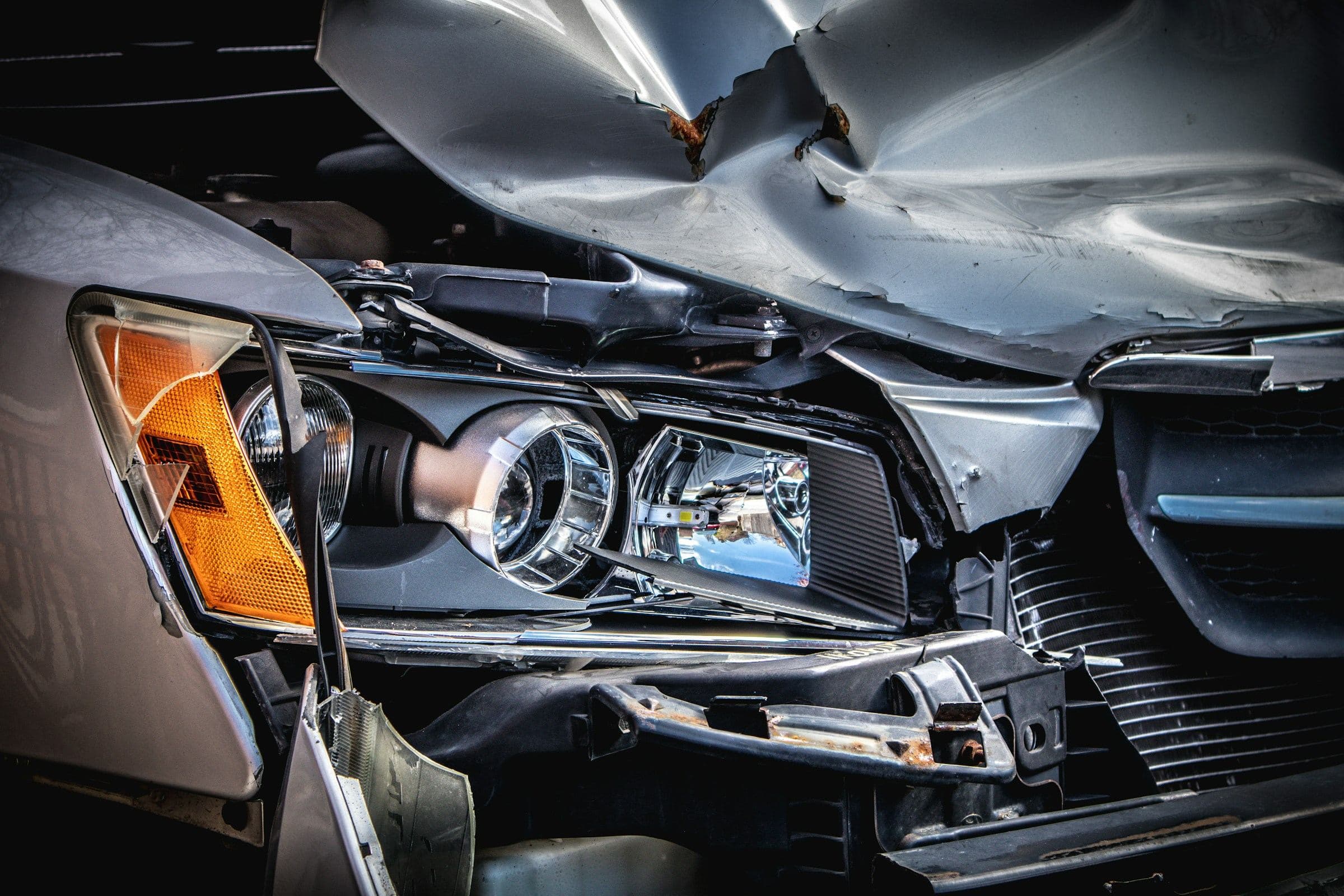
- Structural, frame or unibody repairs, airbag deployment, or damage across several panels, the kind that shows on a history report and worries buyers.
- Weaker
- Minor cosmetic damage, such as a bumper cover or a single panel.
The vehicle itself
- Stronger
- Newer, lower-mileage, higher-value, luxury or collectible vehicles, where buyers pay a premium for a clean history.
- Weaker
- Older, high-mileage or low-value vehicles, where the market gap is small relative to the appraisal fee.
Prior damage history
- Stronger
- This accident is the vehicle’s first reported damage.
- Weaker
- The vehicle already had reported accidents, so a new one adds less to the loss.
Repair status
- Stronger
- Repairs are complete and documented (final invoice). Poor-quality repairs can add to the loss.
- Weaker
- Repairs are not finished; the appraisal usually waits for the final repair record.
Releases and settlements
- Stronger
- You have not signed a release of the property-damage claim.
- Weaker
- You signed a full release with the at-fault insurer. That can end the claim, so read anything before signing.
Deadlines
- Stronger
- You are well within your state’s time limit to sue for property damage.
- Weaker
- The deadline is close. Talking to the insurer does not pause it.
Who owns the vehicle
- Stronger
- You own it (paid off or financed).
- Weaker
- It is leased; the leasing company may have rights in any loss-of-value payment. Check your lease.
Not sure?
Let us look at it for free
The claim review is free: we look at your situation and tell you whether an appraisal is likely to help. The appraisal itself is a paid report.
Have your repair invoice or estimate, photos and the insurer’s claim details handy. If an appraisal is unlikely to be worth the fee, we will tell you.
Your state
Check your state’s rules
Who you can claim against, fault rules and deadlines all depend on the state.
Common questions
Is there a minimum amount of damage for a claim?
No legal minimum. What matters is whether the accident history measurably lowers the vehicle’s market value, which depends more on the type of damage and the vehicle than on the repair bill alone.
Can I claim if my own insurer paid for repairs?
Often, yes: the diminished value claim is usually against the at-fault driver’s insurer, separate from the repair payment. What you cannot do is recover the same money twice, and signing a release can end the claim.
I already settled the repair claim. Is it too late?
Not necessarily. It depends on what you signed. A release limited to repairs may leave diminished value open; a full release of the property-damage claim usually ends it. Deadlines to sue still apply.
Do I need to sell the car to prove the loss?
Generally no. An appraisal documents the loss in market value using comparable vehicles, without a sale.
What if I was partly at fault?
Most states reduce what you can recover by your share of fault; some bar recovery above a threshold, and a few bar it for any fault. State law changes and depends on the facts of each claim. For legal advice about your situation, consult a licensed attorney in your state.

Not sure whether an appraisal will help?
The claim review is free: we look at your situation and tell you whether an appraisal is likely to help. The appraisal itself is a paid report. We help from start to finish, including a custom demand letter, and our support staff is a phone call away throughout the process.