
Total loss · CA
California total loss claims
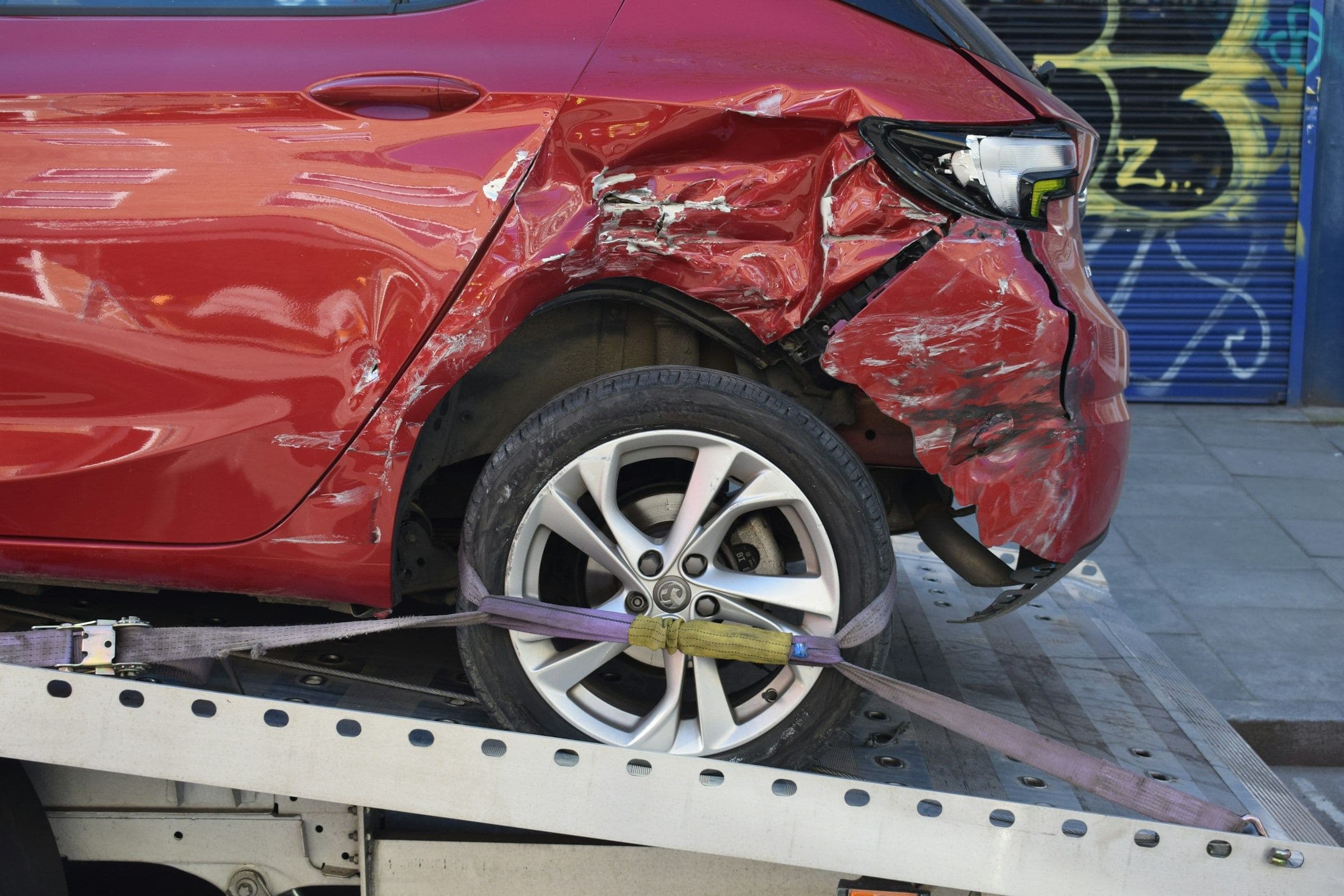
California sets no damage percentage. A 'total loss salvage vehicle' is one damaged to the extent that the owner or the insurance company responsible for the repair considers it uneconomical to repair, or one the insurer has paid as a total loss with the claimant's agreement to the settlement amount. On an insured loss, that judgment is the insurer's. If the insurer’s value looks low, the dispute comes down to evidence: the right trim and options, fair comparable vehicles and explained condition adjustments.


Total loss rule
Insurer decides
Taxes and fees
Addressed by state rule
Appraisal clause
State rule found
Insurance regulator
California law
When a vehicle is a total loss in California
Insurer decides
California sets no damage percentage. A 'total loss salvage vehicle' is one damaged to the extent that the owner or the insurance company responsible for the repair considers it uneconomical to repair, or one the insurer has paid as a total loss with the claimant's agreement to the settlement amount. On an insured loss, that judgment is the insurer's.
Authority: Cal. Veh. Code § 544
What a California settlement has to include
Yes. A cash settlement must include all applicable taxes and one-time fees for transferring ownership of a comparable automobile, plus the license fee and other annual fees prorated for the unused part of the totaled car's registration, whether or not a replacement is bought. If the owner keeps the vehicle, sales tax is reduced by the tax attributable to the salvage value and the fees for moving the car to salvage status must be included.
Authority: Cal. Code Regs. tit. 10, § 2695.8(b)(1)
How the insurer has to value your vehicle
The settlement must be based on the actual cost of a comparable automobile (same make, same or newer model year, similar body, options and mileage) available in the local market area within 90 days, normally the average of two or more comparables, dealer quotes, or a statistically valid computerized valuation. The insurer must itemize and explain the valuation in writing when it makes the offer, identify the comparable vehicles used, and may not deduct for condition unless the car was documented as below average. The insurer must also tell the policyholder that it will reopen the claim if told within 35 days that a comparable car cannot be bought for the amount paid.
The appraisal clause in California
No statute requiring an appraisal clause in auto policies was found. The Department of Insurance says most standard policies contain one: either side can demand appraisal, each picks and pays its own appraiser, the umpire's fee is shared, and an amount agreed by any two is binding. The claim rules also let an insurer invoke the policy's appraisal provision when a total loss claim is reopened.
Keeping a totaled vehicle: California title rules
When an insurer pays a total loss, the title, plates and a $15 fee must go to the DMV within 10 days of the settlement so a salvage certificate can be issued. If the owner keeps the vehicle, the insurer must notify the DMV and tell the owner of the duty, and the owner must send in the title, plates and fee within 10 days to get the salvage certificate.
Authority: Cal. Veh. Code § 11515(a)-(b)
If you and the insurer cannot agree
- Dispute the valuation in writing with evidence. How to challenge comparables and condition deductions.
- If your policy has an appraisal clause, you can invoke it. The appraisal clause, step by step.
- File a complaint with the California Department of Insurance.
- Small claims court: California small claims court, for claims up to $12,500.
Official guide: California Department of Insurance: So You've Had an Accident, What's Next?
Sources
- Cal. Veh. Code § 544
- Cal. Code Regs. tit. 10, § 2695.8(b)(1)
- Cal. Dept. of Insurance, 'So You've Had an Accident, What's Next?'; Cal. Code Regs. tit. 10, § 2695.8(c)(3)
- Cal. Veh. Code § 11515(a)-(b)
Researched October 11, 2026. General information from an appraisal perspective, not legal advice.

Autoloss in CA
Total loss appraisals for California vehicles
An independent valuation of your California vehicle just before the loss, from comparable vehicles, your records and photos, reviewed by Monica Fisher. The claim review is free and the fee is quoted after we review your situation. You, or your attorney, present the report.
What the appraisal includesCalifornia total loss questions
When is a car a total loss in California?
California sets no damage percentage. A 'total loss salvage vehicle' is one damaged to the extent that the owner or the insurance company responsible for the repair considers it uneconomical to repair, or one the insurer has paid as a total loss with the claimant's agreement to the settlement amount. On an insured loss, that judgment is the insurer's.
Does a California total loss settlement include sales tax and fees?
Yes. A cash settlement must include all applicable taxes and one-time fees for transferring ownership of a comparable automobile, plus the license fee and other annual fees prorated for the unused part of the totaled car's registration, whether or not a replacement is bought. If the owner keeps the vehicle, sales tax is reduced by the tax attributable to the salvage value and the fees for moving the car to salvage status must be included.
Can I keep my totaled car in California?
Usually you can ask to, and the insurer deducts the salvage value. When an insurer pays a total loss, the title, plates and a $15 fee must go to the DMV within 10 days of the settlement so a salvage certificate can be issued. If the owner keeps the vehicle, the insurer must notify the DMV and tell the owner of the duty, and the owner must send in the title, plates and fee within 10 days to get the salvage certificate.
How does the appraisal clause work in California?
No statute requiring an appraisal clause in auto policies was found. The Department of Insurance says most standard policies contain one: either side can demand appraisal, each picks and pays its own appraiser, the umpire's fee is shared, and an amount agreed by any two is binding. The claim rules also let an insurer invoke the policy's appraisal provision when a total loss claim is reopened.
Does Autoloss prepare total loss appraisals for California vehicles?
Yes. We prepare an independent valuation from your records, photos and the insurer’s report. The claim review is free, and the fee is quoted after we review your situation.

Low total loss offer in California?
The claim review is free: we look at your situation and tell you whether an appraisal is likely to help. The appraisal itself is a paid report. We help from start to finish, including a custom demand letter, and our support staff is a phone call away throughout the process.