
Damage type guide · Frame and structural damage
How bad is frame damage? What counts and how serious it is
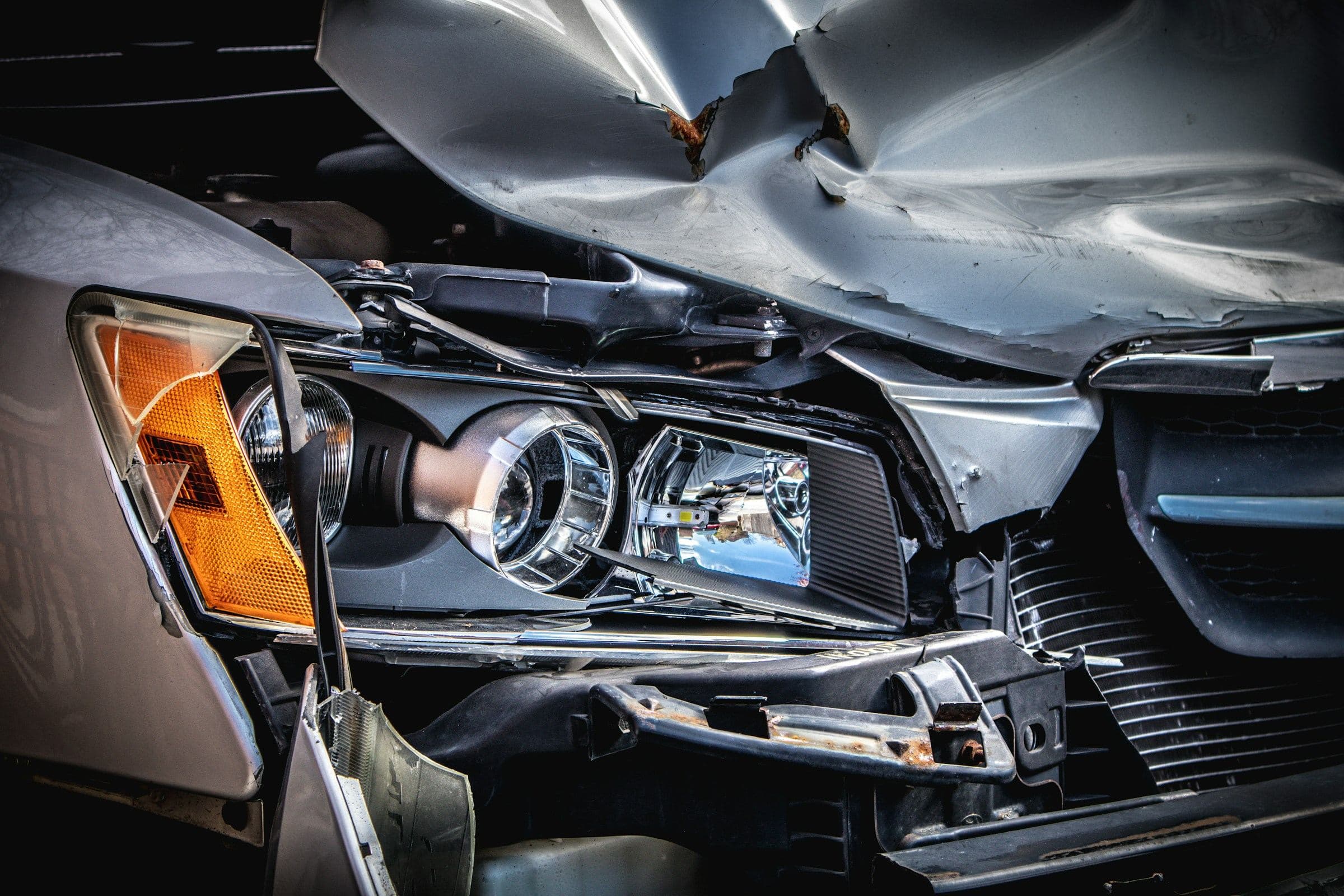
Frame damage means damage to the parts that hold a vehicle’s shape and manage crash energy: frame rails, aprons, pillars, rocker panels, the floor and the radiator core support. How bad it is depends on how far it went. A minor pull back to factory dimensions is a routine repair. A kinked rail can end in a total loss. Buyers treat any of it seriously.


By the Autoloss team · Reviewed by Monica Fisher · Published
Two ways vehicles are built
Most cars, crossovers and many SUVs have a unibody. There is no separate frame: the body shell is the structure, made from stamped steel panels (aluminum on some models) joined by spot welds, adhesive and rivets. Most full-size pickups, some large SUVs and many work vans are body-on-frame. A ladder frame of two long rails and crossmembers carries the engine and suspension, and the body is bolted on top of it.
“Frame damage” started as a truck term, when it meant a bent rail under the cab. On a unibody vehicle the same words now describe damage to the welded structure of the shell. Shops, appraisers, dealers and history reports use “frame damage” and “structural damage” for both designs, often interchangeably.
Structural parts and bolt-on parts
| Part | Where it sits | Type |
| Front and rear frame rails | Lengthwise under the engine bay and the trunk | Structural |
| Aprons and strut towers | The inner fender walls that carry the front suspension | Structural |
| Radiator core support | Across the front, holding the radiator and often the hood latch | Welded structure on most vehicles; bolted in on some |
| Pillars and roof rails | Around the windshield and the door openings | Structural |
| Rocker panels | Along the bottom of the door openings | Structural |
| Floor pan and trunk floor | The base of the cabin and the cargo area | Structural |
| Bumper covers, front fenders, doors, hood, trunk lid | The outer skin | Bolt-on |
A bolt-on part can be unbolted and swapped without cutting the body. A structural part is welded or bonded in, so fixing it means measuring the body, pulling it back into position, or cutting metal out and joining new metal in. The front and rear rails also form the crush zones, the sections designed to fold up in a controlled way during a collision.
A severity scale for structural damage
| Level | What happened | Usual result |
| Minor pull | The structure shifted slightly and was pulled back to factory dimensions on a frame bench | Repaired; recorded as setup, measuring and pulling labor |
| Part replaced at its factory seams | A damaged radiator support, apron or similar part was cut out at its factory joints and a new one installed | Repaired; a larger structural record |
| Sectioning | Part of a rail, pillar, rocker or floor was cut out and a new section spliced in | Repaired, where the vehicle maker publishes a procedure for it |
| Kinked or crushed rail, or a displaced cabin | A rail buckled sharply, or the damage reached the structure around the occupants | Major structural replacement; many such vehicles are totaled |
The vehicle maker’s repair information decides whether a damaged part can be straightened or sectioned or has to be replaced, and makers differ. Toyota’s repair bulletin on sectioning, as I-CAR summarizes it, rules out partial replacement of frame rails on Toyota and Lexus full-frame vehicles. At the top of the scale, structural parts plus everything else on the estimate can cost more than the insurer will spend on a repair. That decision is explained in how insurers decide a car is totaled.
Why the structure matters for safety
The structure does two jobs in a crash. The front and rear sections absorb energy by crumpling. As IIHS explains, the part of a vehicle between the front bumper and the occupant compartment absorbs crash energy by crumpling, and the longer that distance, the more the frame can be crushed before it crushes the people inside. The cabin is meant to keep its shape, so that the seat belts and air bags can work.
A repair has to preserve both jobs. A rail straightened past what its steel allows, or spliced where the maker gives no procedure, may fold differently in a later collision. The restraint system is tied in as well. On many vehicles the front impact sensors sit on the front structure, and the air bag control unit reads them to decide when to fire. I-CAR’s summary of the repair information for a 2024 Chevrolet Equinox EV, for instance, calls for a new impact sensor whenever the sensor itself or the structure it is mounted on is damaged. What makes a repaired structure perform as designed is covered in is a car safe after frame repair?
How history reports word it
Commercial history reports are built from what insurers, police, auctions, dealers and some shops send them, and each provider has its own categories. One report may say “structural damage”, another “frame damage”, and an auction listing may announce frame damage in its own words. A label of either kind can cover anything from a minor pull to a rebuilt rail, so it does not tell you how severe the work was. The repair invoice does.
The federal title database is narrower. The National Motor Vehicle Title Information System (NMVTIS) covers title and brand history, odometer readings, insurer total-loss and salvage determinations, and reports from salvage and junk yards. It does not hold repair history, so frame repair on a vehicle that was never totaled or branded will not appear there. Our guide on how to tell if a car has frame damage covers what each source can and cannot show.
Resale and certified pre-owned eligibility
Structural repair is the accident history that buyers and dealers mark down most, and the record stays with the vehicle once the repair is finished. Why that discount lasts, for frame repairs and any other reported accident, is explained in accident history and resale value.
Frame damage can also make a vehicle ineligible for a maker’s certified pre-owned program, which closes off one of the higher-priced ways to sell a late-model car. Each program sets its own rules; see certified pre-owned programs and accident damage.
Where frame damage fits in a claim
If someone else was at fault, structural repair to a newer vehicle is a strong reason to have the loss documented. The steels, welds and shop photographs that matter for that report are covered under frame-related diminished value appraisal, and the diminished value appraisal service page explains how ordering works. Rules on who can recover vary by state; see diminished value laws by state. Send us the final invoice and supplements for a free claim review. If you order, a typical appraisal is $250–$350; the report supports your claim and does not guarantee a payment.
Common questions
Is frame damage always a total loss?
No. Many vehicles with structural damage are repaired, from a small pull on a bench to a replaced apron. A total loss becomes likely when major structure has to be replaced and the full repair cost approaches what the vehicle was worth.
Does a replaced radiator support count as frame damage?
Often, yes. On most vehicles the radiator core support is welded in, and history providers and dealers tend to treat its replacement as structural repair. On some models it bolts in, and the invoice and the maker’s repair information show which design your vehicle has.
Does frame damage mean the car is unsafe to drive?
Not necessarily. Structural repair done to the maker’s procedures, and measured afterward, can restore how the structure performs. A vehicle with unrepaired structural damage, or a repair with no records, should be inspected before you rely on it.
Keep reading
More from the damage type guide
Frame and structural damage
How to tell if a car has frame damage
Gaps, welds and clamp marks, inspections, printouts and reports.
Frame and structural damage
Is a car safe after frame repair? What a proper repair requires
Maker procedures, measurements, scans and the records that prove them.
Collision damage
Diminished value after a rear-end collision
Bumper-only repairs against rear body panel, trunk floor and rail work.
Collision damage
Diminished value after side-impact damage
Bolt-on doors against pillars, rocker panels and side airbags.

Not sure whether an appraisal will help?
The claim review is free: we look at your situation and tell you whether an appraisal is likely to help. The appraisal itself is a paid report. We help from start to finish, including a custom demand letter, and our support staff is a phone call away throughout the process.