
Damage type guide · Non-collision and repair factors
Repainted panels, paintwork and diminished value
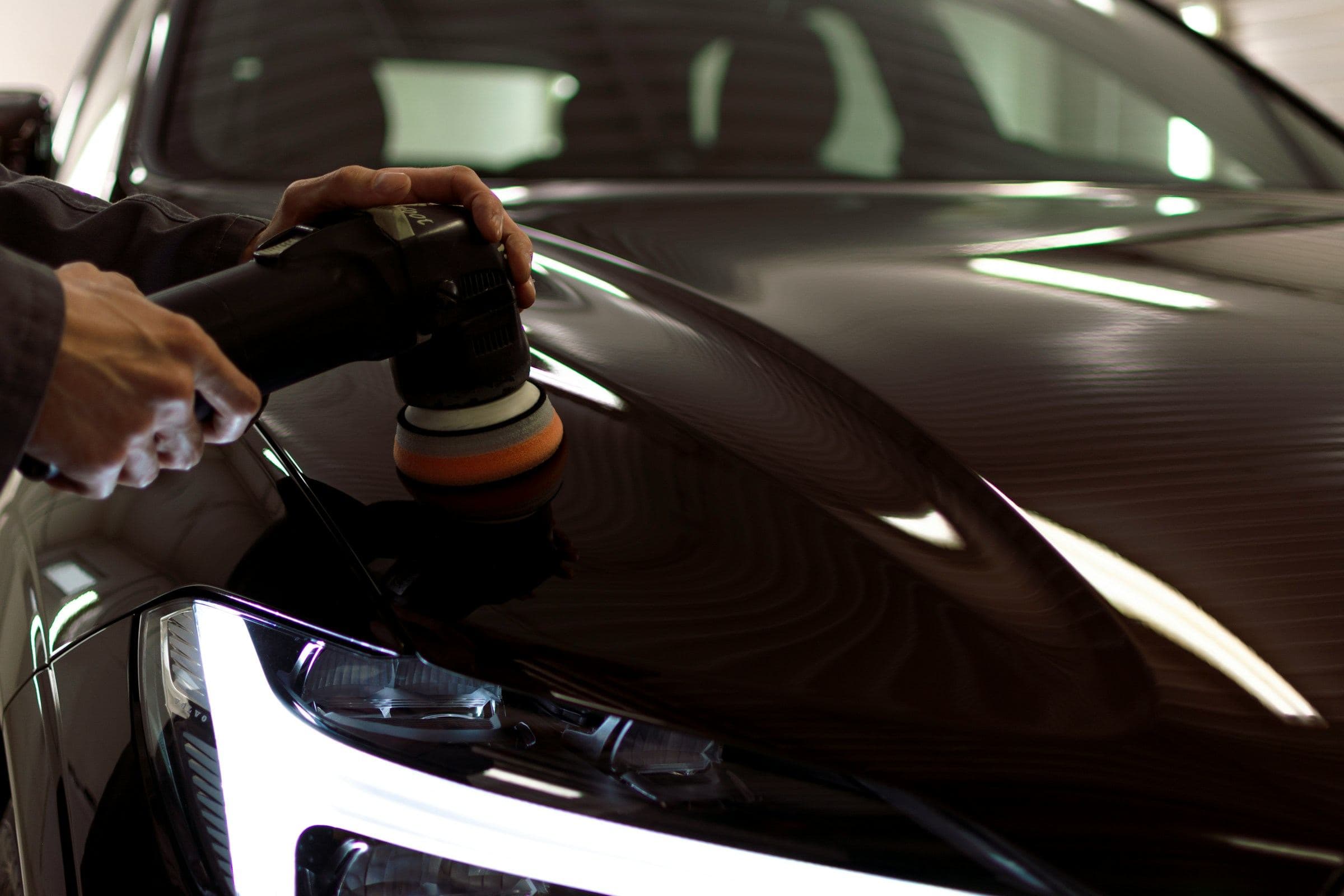
Repainted panels affect value in two ways. Refinishing that can be detected confirms the vehicle was repaired, which supports inherent diminished value even when the work is good. Paintwork with visible faults, such as a color mismatch or rough texture, adds repair-related loss, and that part should first go back to the shop for correction.


By the Autoloss team · Reviewed by Monica Fisher · Published
Why paint matters to buyers
Paint is the part of a repair a buyer can check without tools or training, and with a simple tool they can check it precisely. Original factory paint is evidence that a panel has never been repaired. A refinished panel is evidence that something happened, and the buyer then wants to know what. That is why dealers, auction inspectors and careful private buyers look at paint before almost anything else.
How refinishing is detected
- Paint thickness readings. A paint meter measures the coating on a panel. Factory paint is applied evenly, so readings across an original vehicle are similar. A refinished panel usually reads higher because new material sits on top, and a much higher reading suggests filler underneath.
- Color and texture. Metallic and pearl colors are hard to match exactly. Differences show most where a repainted panel meets an original one, and in changing light.
- Tape lines and overspray. Edges inside door openings, on rubber seals and on trim show where a panel was masked.
- Surface defects. Dust in the clear coat, sanding marks and a texture that differs from the factory finish.
What the invoice says about paint
The repair invoice lists paint work as refinish labor on each panel. A blend line means a neighboring, undamaged panel was partly painted so that the color change is gradual. Blending is normal practice and produces a better match, but it also means more of the vehicle has been refinished than was damaged. Counting the refinish and blend lines tells an appraiser how many panels no longer carry only original paint. Refinishing is one reason the cost of a repair and the loss in value are separate questions; see diminished value vs repair cost.
Inherent loss and repair-related loss
| Situation | Kind of loss | What to do |
| Refinish matches and is well finished, but a meter detects it | Inherent: the paint confirms the repair history | Document it with the invoice and market evidence |
| Visible mismatch, texture difference, overspray or peeling | Repair-related, on top of the inherent loss | Ask the shop and the paying insurer to correct it; document what cannot be corrected |
The distinction matters because the two are handled differently. Our guide to inherent, repair-related and immediate diminished value explains each. Many body shops give a written warranty on their work, so a paint defect is normally a matter for the shop first. Our body shop guide covers warranties and what to ask for in writing.
The original-paint premium
How much original paint matters depends on the vehicle. For luxury, exotic and collectible vehicles, buyers often ask for paint readings on every panel and pay more for a vehicle that is original throughout. Many certified pre-owned programs also look closely at repair history; see certified pre-owned rules and accident history. On an older daily driver, one repainted fender changes little. This guide gives no figure for the premium because it varies by model, market and buyer.
Paintwork without an accident
Panels are also repainted after vandalism, scratches, stone damage or hail. There may be no accident record at all, but a paint meter does not know the reason. A seller with an invoice that explains the work is in a better position than one who cannot say why a panel reads high. Where hail was the cause, see hail damage and diminished value; for a single scratched panel, see minor accidents and cosmetic damage.
Evidence for an appraisal
- The final invoice, showing which panels were refinished and which were blended.
- Photos in daylight from several angles, including each junction between a refinished and an original panel.
- Paint meter readings, if a shop or dealer has taken them, noted panel by panel.
- Photos of any defect, taken before the shop corrects it.
Autoloss prepares its report from the repair order, photos and records you send, and accounts for documented paint problems as part of the vehicle’s post-repair condition.
Common questions
Can a buyer tell that a panel was repainted?
Often, yes. A paint meter shows thicker coating on a refinished panel, and color, texture, tape lines and overspray can show it to the eye. A very good refinish may pass a visual check and still be found by a meter.
Is a paint mismatch diminished value or a repair defect?
It is a repair defect first. Ask the shop and the insurer that paid for the repair to correct it. Loss that remains after correction, or that cannot be corrected, can be documented as repair-related diminished value alongside the inherent loss.
Does blending paint into the next panel lower the value?
Blending is standard practice and improves the color match. It does mean more panels have been refinished, which a paint meter may pick up, so it forms part of the repair record an appraiser reviews.
Keep reading
More from the damage type guide
Non-collision and repair factors
Hail damage and diminished value
Paintless dent repair, replaced panels, and a claim on your own policy.
Non-collision and repair factors
Flood and water damage: total loss or diminished value?
Why serious flooding becomes a total-loss question, not a value claim.
Non-collision and repair factors
Diminished value when the vehicle has a prior accident
How an earlier accident changes the starting value and the claim.
Frame and structural damage
How bad is frame damage? What counts and how serious it is
Which parts are structural, a severity scale, and why buyers care.

Not sure whether an appraisal will help?
The claim review is free: we look at your situation and tell you whether an appraisal is likely to help. The appraisal itself is a paid report. We help from start to finish, including a custom demand letter, and our support staff is a phone call away throughout the process.