
Vehicle type guide · Specialty vehicles
Diminished value on classic and collector cars
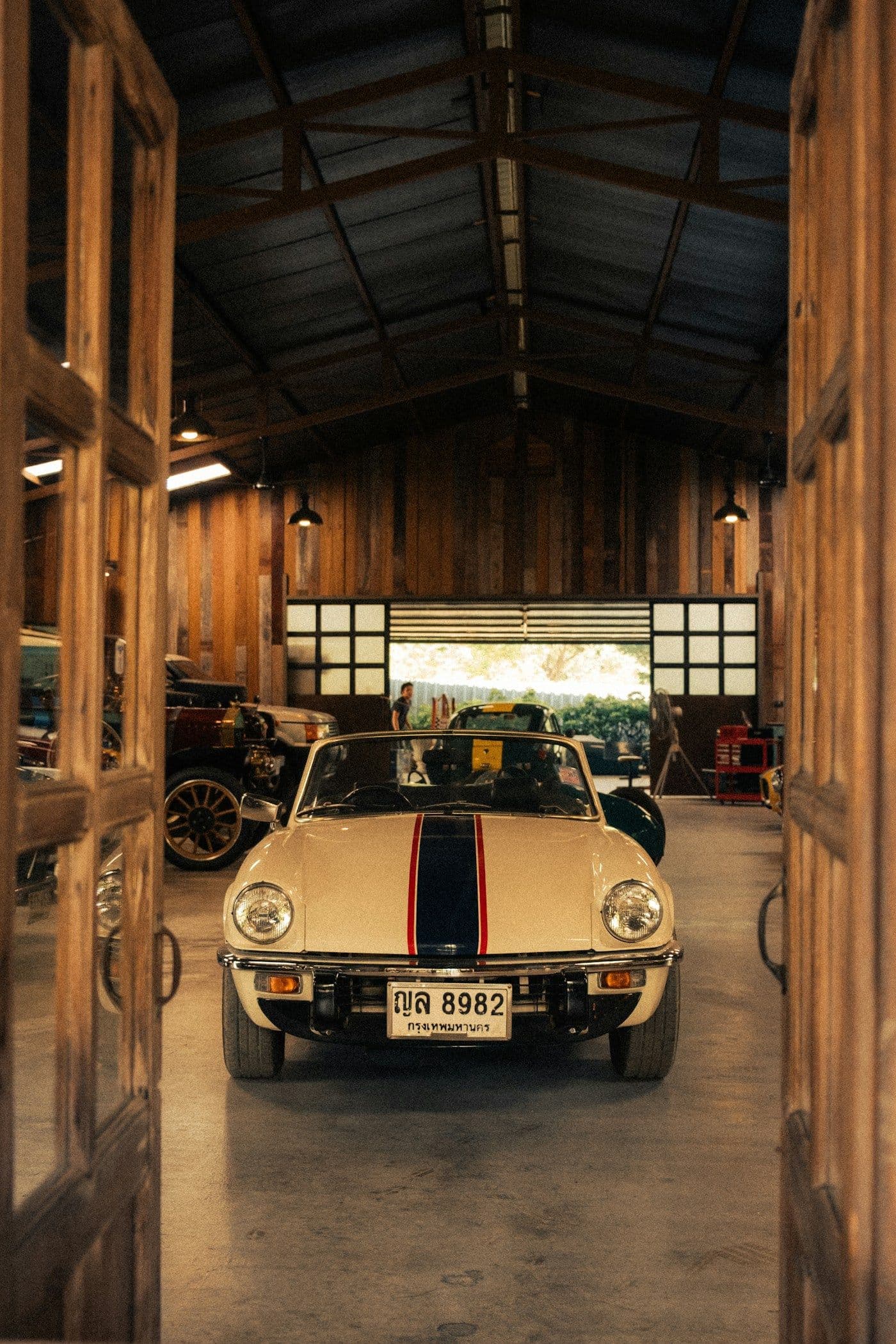
A collector car’s value rests on originality, documentation and condition, so an accident can cost more than the repair restores. Replaced original panels, refinished factory paint or a damaged numbers-matching component change what the car is. The loss is shown with sales of comparable cars and with before-and-after documentation, because price guides cannot capture those differences.


By the Autoloss team · Reviewed by Monica Fisher · Published
Value comes from what cannot be replaced
An ordinary used car is valued for transportation, and a correct repair restores nearly all of its usefulness. A collector car is valued for what it is: how much of it is as the factory built it, how well its history is known, and how rare that combination has become. A repair can restore appearance and function. It cannot restore original sheet metal or factory-applied paint, and collectors pay for exactly those things.
Originality and numbers-matching
“Numbers-matching” means the major components, typically the engine and often the transmission and rear axle, carry the stampings and date codes that correspond to the car’s own build. Damage that forces replacement of one of those components, or of an original body panel that carries factory markings, moves the car into a different category for many buyers. So does a respray of a car that was valued as an original-paint survivor. A restored car is judged differently from a survivor, and the loss depends on which one yours was before the accident.
Provenance and paperwork
Documented history is part of the price: the build sheet or factory record, ownership chain, restoration invoices and photos, judging sheets and awards. An accident adds a chapter to that history. In a small collector community it tends to become known whether or not it appears on a history report. The same paperwork is also the best evidence of pre-loss value, so gather it before you claim.
Who performs the repair matters more here than on a modern car. Work by a restoration shop that knows the marque, recorded in photos at each stage, is easier for a later buyer to accept than an undocumented repair by a general collision shop. It does not remove the loss. It limits how much uncertainty the next buyer has to price in.
Why price guides fall short
Collector price guides publish values by condition grade for a model. They are a useful starting point and they have limits:
- They cannot see whether a particular car is numbers-matching, a rare option combination or a documented example.
- They report grades, and the difference between two cars in the same grade can be large.
- They do not publish a with-accident and without-accident value.
The evidence that works is actual sales of comparable cars, including auction results, adjusted for originality, documentation and condition, with each adjustment explained.
Agreed value, stated value and your claim
Many collector cars are insured on an agreed value or stated value basis. The two are not the same, and what each pays depends on the policy wording, so read yours or ask your agent. Those terms govern a claim under your own policy. A diminished value claim is usually made against the at-fault driver’s insurer and is measured by market value, whatever figure your policy carries. See first-party vs third-party claims for the difference.
If your insurer or lender needs the car’s value documented, that is a stated value appraisal. An appraisal completed before the accident is strong evidence of pre-loss value afterward.
What to send
- Photos of the car before the accident, including engine bay, underside, interior and identification numbers.
- Any earlier appraisal, the policy declarations page, and restoration records.
- The repair invoice, with a list of which original parts were repaired and which were replaced.
- Photos of the damage and of the finished repair.
Autoloss appraises collector vehicles. The fee for a collector car depends on the research involved and is quoted during the free claim review. Related guides: luxury and exotic cars and older and high-mileage cars.
Common questions
My classic car was repaired with correct parts. Did it still lose value?
It may have. Correct reproduction or replacement parts are not the original parts, and many collectors pay more for originality. Whether the loss is significant depends on what the car was before the accident and how it was documented.
Does my agreed value policy cover diminished value?
That depends on the policy wording, and many policies do not pay diminished value on your own claim. A claim against the at-fault driver’s insurer is a separate matter that depends on state law. Ask your agent and check your state’s rules.
I have no appraisal from before the accident. Is that a problem?
It makes the pre-loss value harder to show but not impossible. Dated photos, restoration invoices, show records and the policy’s agreed value all help establish what the car was before the loss.
Keep reading
More from the vehicle type guide
Specialty vehicles
Diminished value on luxury and exotic cars
Scarce comparables, original paint and buyers who walk away from history.
Specialty vehicles
Diminished value on electric vehicles
Battery inspection records, repair documentation and what EV buyers ask.
Specialty vehicles
Diminished value on motorcycles
Frame and fork damage, cosmetic sensitivity and a thin comparable market.
Specialty vehicles
Diminished value on RVs and motorhomes
House structure, water intrusion, chassis versus coach, and few buyers.

Not sure whether an appraisal will help?
The claim review is free: we look at your situation and tell you whether an appraisal is likely to help. The appraisal itself is a paid report. We help from start to finish, including a custom demand letter, and our support staff is a phone call away throughout the process.