
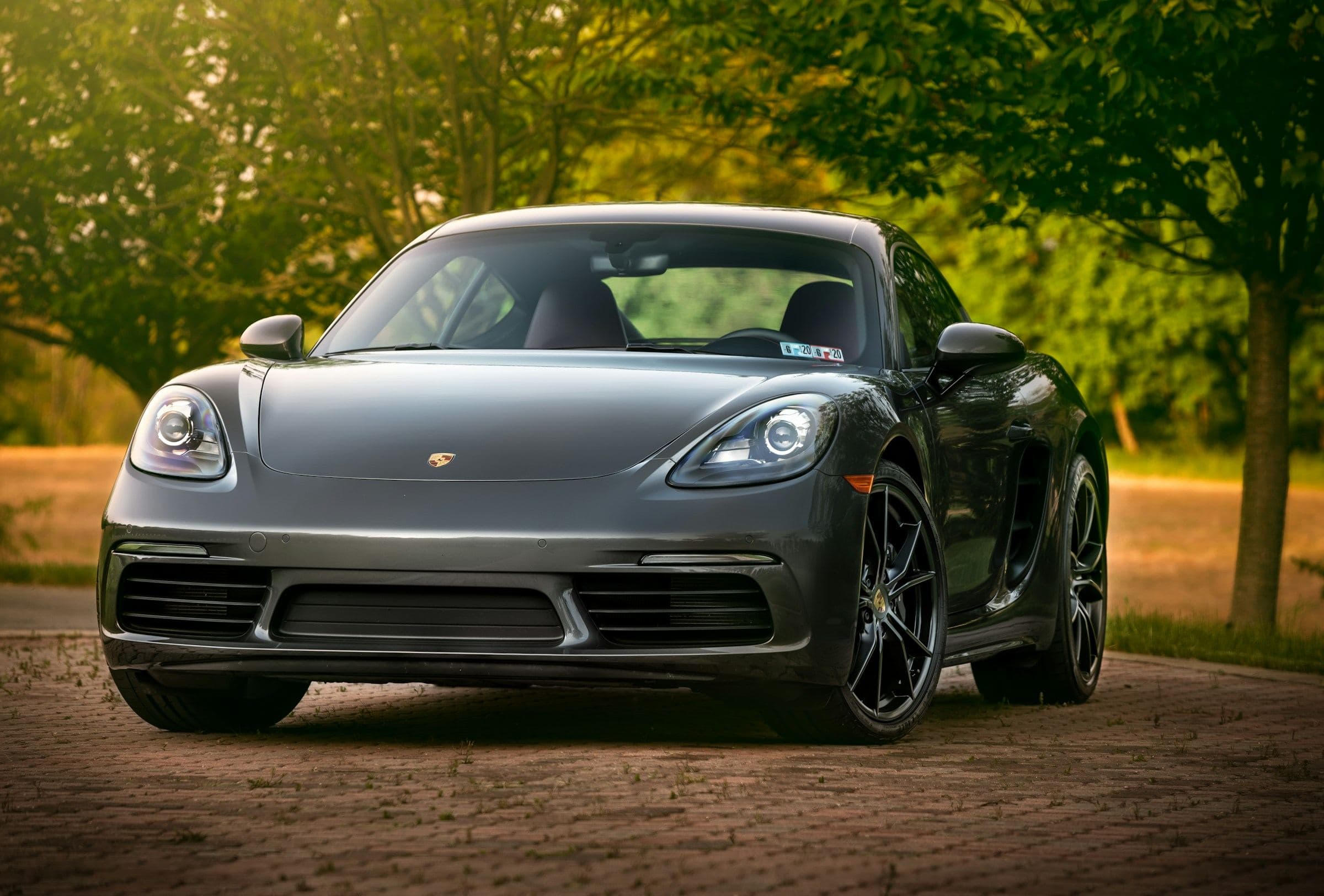
Vehicle type guide · Specialty vehicles
Diminished value on luxury and exotic cars
Luxury and exotic cars are highly sensitive to accident history because their buyers are selective and well informed, and have the means to wait for a clean example. Original paint, matching panels and manufacturer certification all carry a price. Comparable sales are scarce, so the appraisal has to search a wider market and explain each adjustment for options, mileage and condition.


By the Autoloss team · Reviewed by Monica Fisher · Published
A different kind of buyer
The buyer of a high-end car is rarely in a hurry and is often buying a second or third vehicle. Many use a marque specialist or a pre-purchase inspection, and many check paint thickness panel by panel. For this buyer an accident record is often a reason to move on to the next car, not a point to negotiate. Fewer willing buyers means a lower selling price, a longer time to sell, or both.
Dealers who specialize in these cars apply the same caution when they bid on a trade or a consignment. They know their own customers will ask about history and paintwork, so they price the car for the buyer who will accept it.
Sensitivity varies by brand and model
Not every expensive car behaves the same way. A high-volume luxury sedan is traded in a large market, and its buyers treat accident history much as mainstream buyers do, at a higher price point. A limited-production sports car or exotic is traded in a small community where each car’s history is known and discussed. The closer a model is to a collectible, the more a blemish on its record matters. An appraisal should explain which kind of market your vehicle sells in.
Original paint and matching panels
On most cars a good refinish is invisible to the buyer. On high-end cars, originality of the paint is itself a selling point, and refinished panels are found with a paint meter. Special-order colors, multi-stage finishes and exposed carbon fiber are difficult to match, and aluminum or composite body structures need approved repair methods and equipment. Even a correct repair leaves a record that the car is no longer in original finish. Keep any documentation of the pre-loss paint condition, such as a prior inspection report.
Manufacturer certified and approved programs
Several high-end brands run their own certified or approved pre-owned programs with inspection standards, and a car with certain damage history may not qualify. The standards differ by brand, so ask a franchised dealer for yours. Loss of eligibility takes the car out of the best-priced retail channel. The general picture is in our guide to certified pre-owned rules.
Scarce comparables
A mainstream car may have hundreds of comparable listings. An exotic may have a handful nationwide, each with different options, colors and mileage. Price guides are thin for these vehicles and often do not reflect expensive factory options. The appraisal therefore has to:
- Search national listings and sales, not only the local market.
- Adjust for options, color, mileage and service history, and state each adjustment.
- Identify which comparables have accident history and which do not.
Send the window sticker or build sheet. On these cars, options can account for a large part of the price. Service history from a franchised dealer or a recognized specialist also supports the pre-loss value, because buyers in this market pay for documented care.
Getting an appraisal for a high-value car
Autoloss appraises luxury, exotic and collector vehicles; the service and the makes covered are described on the luxury automobile appraisals page. A typical diminished-value appraisal costs $250–$350. Exotic vehicles may require additional fees. If a comparable rental was not available while the car was being repaired, a loss of use appraisal may also apply, depending on your state and the insurance involved.
For cars valued mainly for originality and provenance, read classic and collector cars. For high-end electric models, see electric vehicles.
Common questions
Does a minor repair really matter on an expensive car?
It can. Buyers of high-end cars often check paint thickness and history closely, and some will not buy a car with any refinished panels. Whether the loss is significant depends on the model and its market.
There are almost no comparable cars for sale. Can the loss still be measured?
Yes, though it takes more work. The appraisal searches a national market and adjusts each comparable for options, mileage and condition, explaining every adjustment so an adjuster can follow the reasoning.
Does an exotic car appraisal cost more?
It may. Exotic vehicles may require additional fees because the research takes longer. We quote the fee during the free claim review, before you order anything.
Keep reading
More from the vehicle type guide
Specialty vehicles
Diminished value on electric vehicles
Battery inspection records, repair documentation and what EV buyers ask.
Specialty vehicles
Diminished value on classic and collector cars
Originality, provenance and why a price guide cannot value the loss.
Specialty vehicles
Diminished value on motorcycles
Frame and fork damage, cosmetic sensitivity and a thin comparable market.
Specialty vehicles
Diminished value on RVs and motorhomes
House structure, water intrusion, chassis versus coach, and few buyers.

Not sure whether an appraisal will help?
The claim review is free: we look at your situation and tell you whether an appraisal is likely to help. The appraisal itself is a paid report. We help from start to finish, including a custom demand letter, and our support staff is a phone call away throughout the process.