
Vehicle type guide · Specialty vehicles
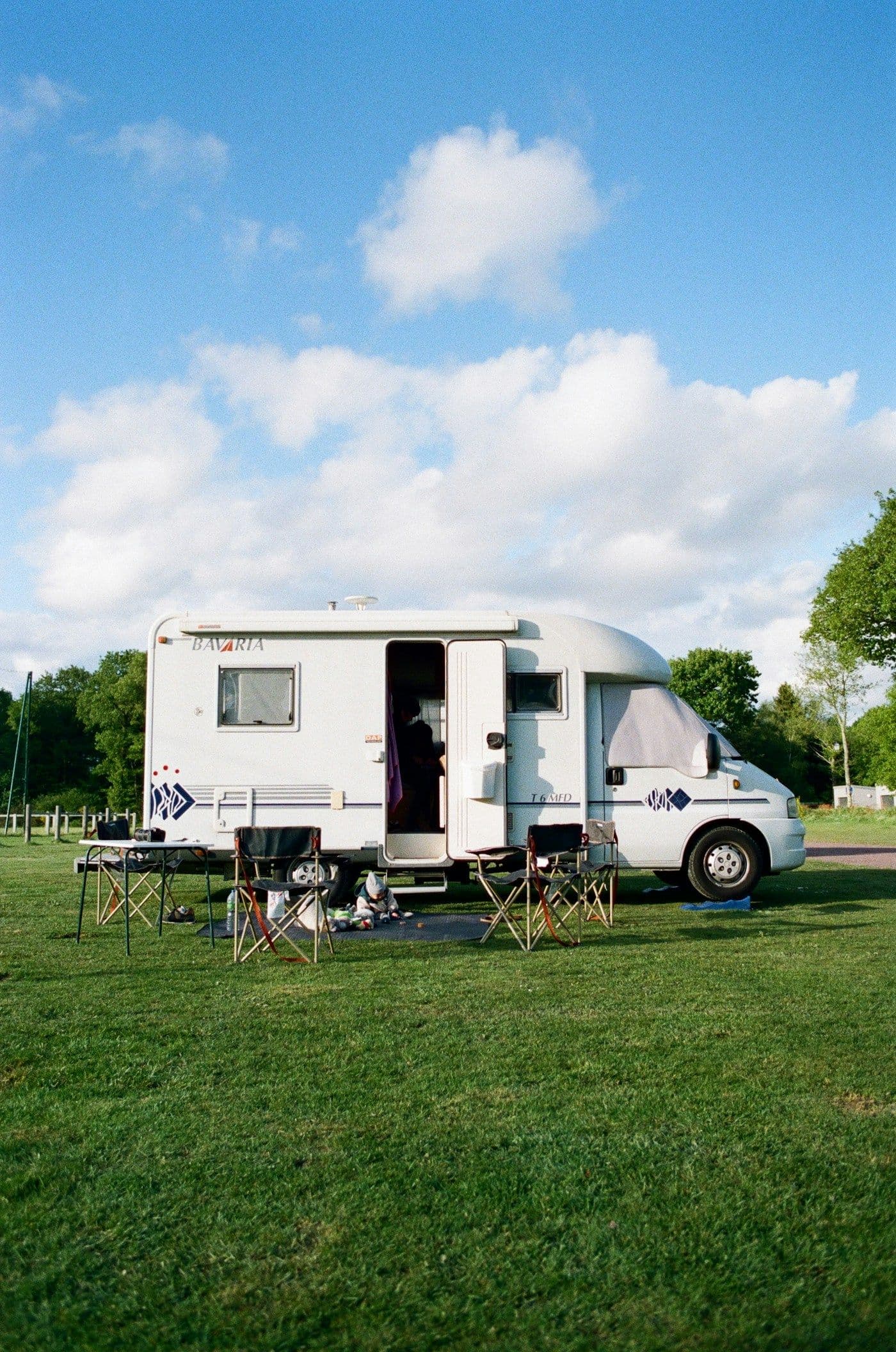
Diminished value on RVs and motorhomes
An RV or motorhome is a vehicle and a living space, and a collision can damage either. Buyers worry most about the house structure and about water getting in after a repair, because leaks cause hidden damage that appears later. With few buyers and few comparable units, documented repair of both chassis and coach matters a great deal to resale value.


By the Autoloss team · Reviewed by Monica Fisher · Published
Two structures in one vehicle
A motorhome is commonly built in two stages: a chassis with the engine, frame and running gear, and a coach or house built on top of it, often by a different manufacturer. A towable trailer has a frame and a house without the drivetrain. Collision damage has to be assessed for each part, and repair of each part may be done by different shops. An appraisal needs records for both.
| Part | What a collision can affect | Records to keep |
| Chassis | Frame, suspension, steering, axles, drivetrain | Chassis repair invoice, alignment and frame measurements |
| Coach or house | Walls, roof, floor, slide-outs, windows, seals, cabinetry | Body repair invoice, sealant and leak-test records, photos during repair |
| Systems | Propane, plumbing, electrical, appliances, leveling | Inspection and test results after repair |
House structure
RV walls and roofs are built light, commonly as framed or laminated panels with a fiberglass or aluminum skin. An impact can crack a panel, separate its layers or shift the framing behind an intact-looking skin. Repairs range from patching and refinishing to replacing a full sidewall. Buyers and dealers look along the sides for waves, color differences and mismatched graphics, and they check that slide-outs, doors and compartments still fit squarely. Full-body paint and large graphics are hard to match on one repaired section, so a visible difference between old and new finish is common and is one of the first things a buyer notices.
Water intrusion
Water is the main fear of every used-RV buyer. A collision repair disturbs seams, windows, roof joints and sealant, and a leak that starts there may not show for months. When it does show, it appears as soft floors, stains or separated wall panels. For that reason a buyer treats a past body repair as a leak risk unless the records show otherwise. Ask the repair shop whether it performed a leak test after the repair, and keep the result. Photos taken during the repair, with the wall open, are valuable evidence that nothing was hidden. If the unit already had water damage before the accident, say so in your claim review. Pre-existing condition is part of the pre-loss value, and an insurer will raise it.
Long repairs and loss of use
RV repairs can take a long time. Parts may have to come from the coach builder, and fewer shops do the work. Time out of service is a separate question from diminished value. If you rented a substitute or lost planned use, ask your insurer or attorney what your state allows. Where the RV is used in a business, a loss of use appraisal may apply.
A small buyer pool
The market for a given class, length and floor plan is small and seasonal, and many buyers finance, which brings a lender’s view of the unit’s condition into the sale. Buyers of larger units commonly pay for a pre-purchase inspection, and an inspector who knows RVs will usually find a past body repair whether or not it appears on a history report. Comparable units are scarce, so an appraisal searches a wide area and adjusts for floor plan, chassis, options, mileage and condition.
Getting an appraisal
Autoloss appraises RVs and motorhomes. Send the repair invoices for chassis and coach, photos before, during and after repair, any leak-test or inspection report, and the unit’s year, make, model, floor plan and options. The fee for an RV is quoted during the free claim review. The steps are on our how it works page.
Related guides: commercial and fleet vehicles, for rental fleets and mobile businesses, and motorcycles.
Common questions
Can I claim diminished value on a travel trailer or fifth wheel?
In many states the claim against an at-fault driver’s insurer covers property generally, and trailers are included. Rules vary by state. Ask during the claim review whether an appraisal fits your unit.
The repair looks perfect. Why would the RV be worth less?
Because a buyer cannot see inside the walls. A past structural or body repair raises the question of future leaks, and buyers price that risk in. Leak-test results and in-progress repair photos reduce the uncertainty.
Does the appraisal include an inspection for leaks?
No. The appraisal is a valuation based on your repair records, photos and comparable units. Leak testing is done by an RV repair shop or inspector, and their report can be part of what you send us.
Keep reading
More from the vehicle type guide
Specialty vehicles
Diminished value on luxury and exotic cars
Scarce comparables, original paint and buyers who walk away from history.
Specialty vehicles
Diminished value on electric vehicles
Battery inspection records, repair documentation and what EV buyers ask.
Specialty vehicles
Diminished value on classic and collector cars
Originality, provenance and why a price guide cannot value the loss.
Specialty vehicles
Diminished value on motorcycles
Frame and fork damage, cosmetic sensitivity and a thin comparable market.

Not sure whether an appraisal will help?
The claim review is free: we look at your situation and tell you whether an appraisal is likely to help. The appraisal itself is a paid report. We help from start to finish, including a custom demand letter, and our support staff is a phone call away throughout the process.